Data analyst building Python pipelines, Power BI dashboards, and automated workflows that turn messy datasets into reliable business insights. 4+ years translating operational data into metrics that drive decisions—from KPI tracking to process optimization. Open to Data Analyst & Applied AI Roles
Over 4 years, built Python pipelines processing operational data, created Power BI dashboards tracking KPIs, and automated reporting workflows reducing manual work by 25%. Improved data accuracy 20-30% through systematic cleaning and validation. Experienced turning unstructured notes into queryable databases.
Daily toolkit: Python (pandas, NumPy), SQL for querying and joining datasets, Power BI for dashboarding, and Excel for rapid analysis. Comfortable cleaning messy CSVs, building ETL pipelines, and translating technical findings into clear insights for non-technical stakeholders.
Built my analytics foundation in neuroscience research (3.72 GPA, UT Dallas), where statistical rigor and data quality weren’t optional. That discipline now drives how I validate results, ensure data integrity, and deliver dashboards leadership can trust.
Built Python ETL pipelines automating data extraction/cleaning (25% time savings).
Created Power BI dashboards for KPI tracking used in leadership decisions.
Conducted exploratory data analysis identifying operational bottlenecks.
Improved reporting accuracy 20-30% through systematic data validation.
Designed analytics workflows tracking performance metrics and trends.
Standardized unstructured text data using Python text analysis.
Built automated reporting reducing manual data handling.
Documented data pipelines supporting cross-functional adoption.
UT Dallas, Cum Laude (3.72 GPA), Business Administration Minor
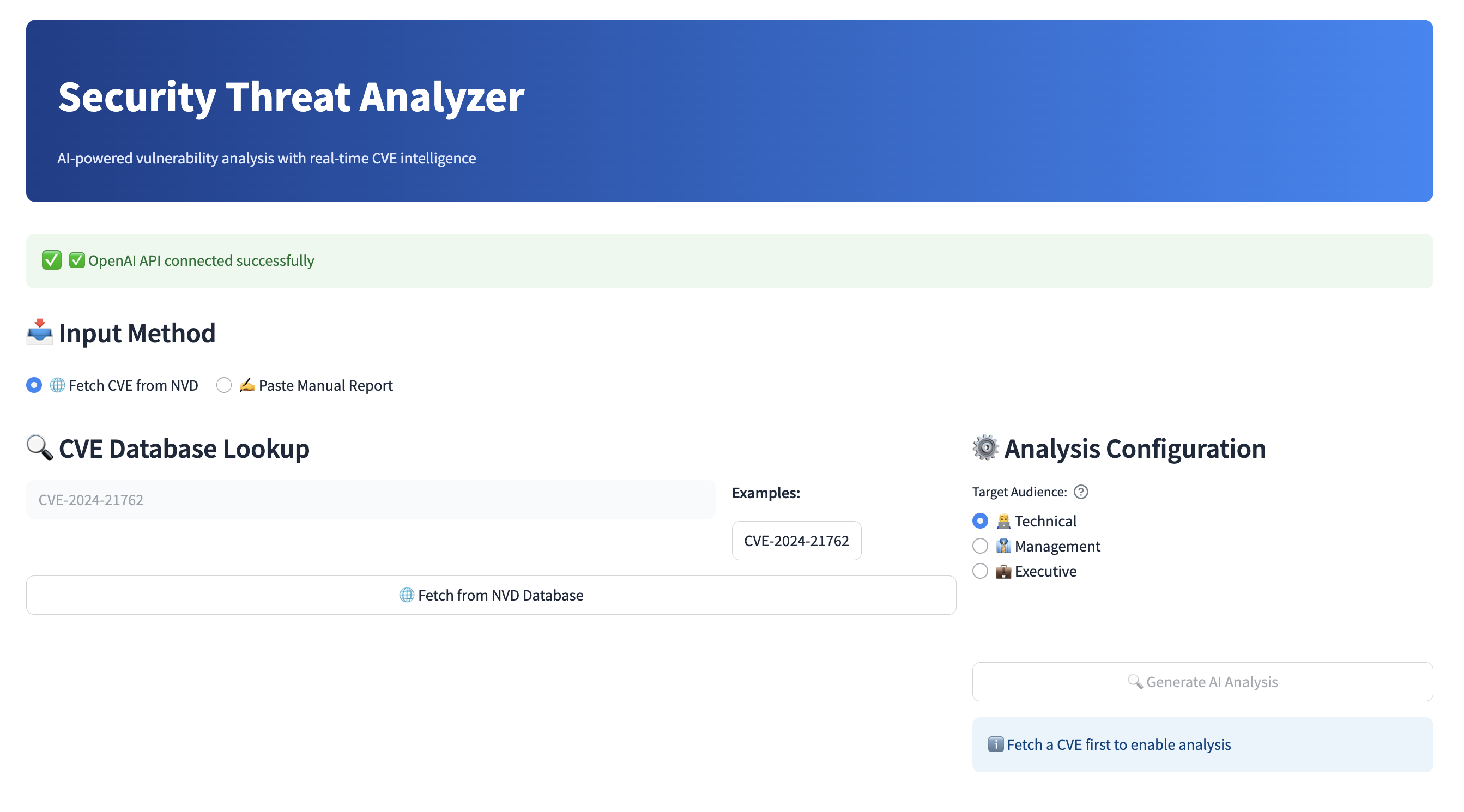
Security threat detection system using machine learning to classify network anomalies from log data. Analyzes patterns in authentication attempts, connection requests, and system access to flag suspicious activity. Built with real security datasets to mirror SOC analyst workflows.
Technical Challenge: Real-time visualization caused performance lag with large datasets. Implemented data windowing and throttled updates to maintain 60fps while processing 1000+ events per second, same optimization strategies used in production monitoring systems.
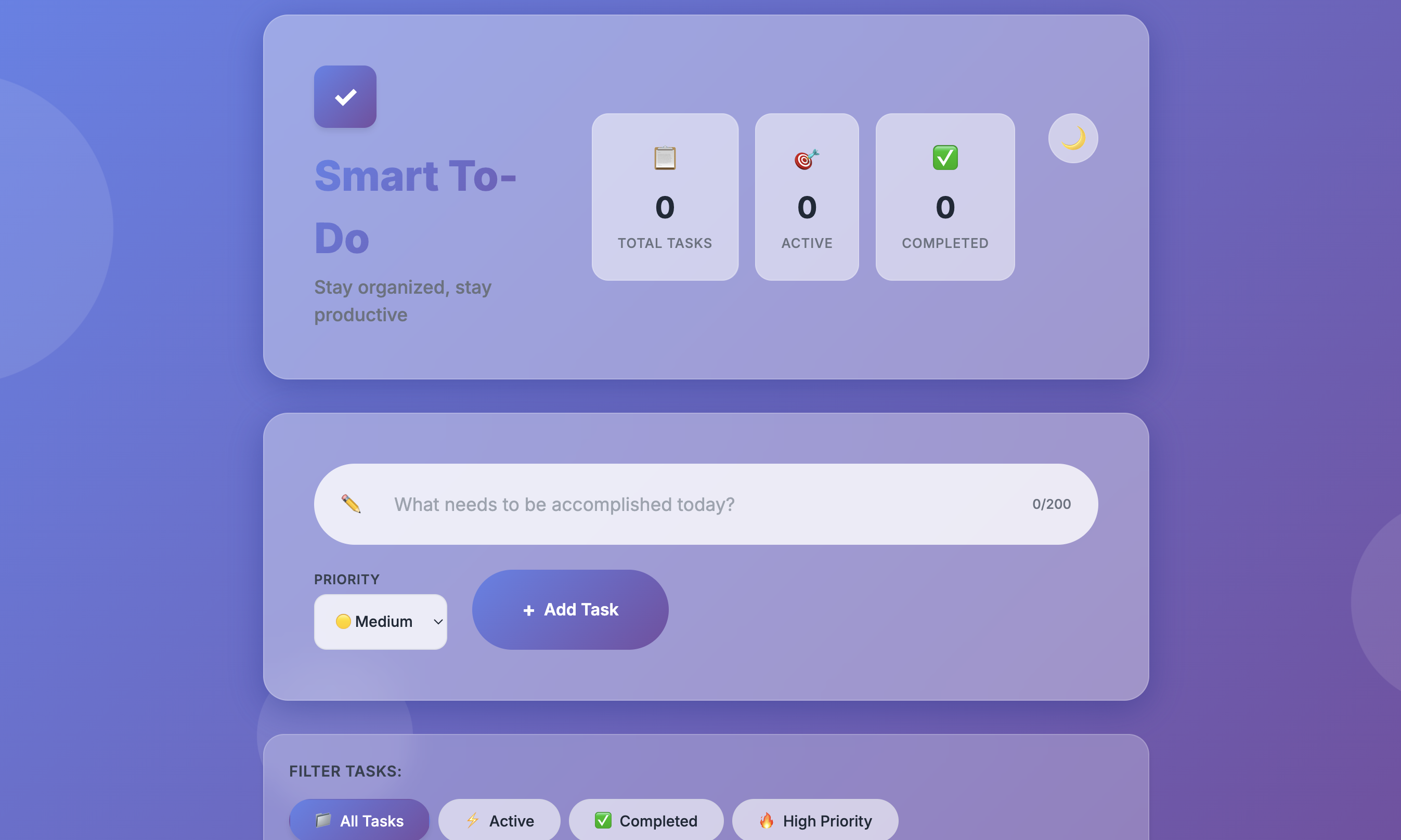
Task manager with filtering, local storage, and analytics dashboard. Taught me data persistence patterns I now use for tracking AI workflow performance.
Technical Challenge: localStorage size limits failed for power users with 500+ tasks. Migrated to IndexedDB for scalable storage, taught me to plan for scale from the start, which I apply when designing AI prompt libraries for production environments.
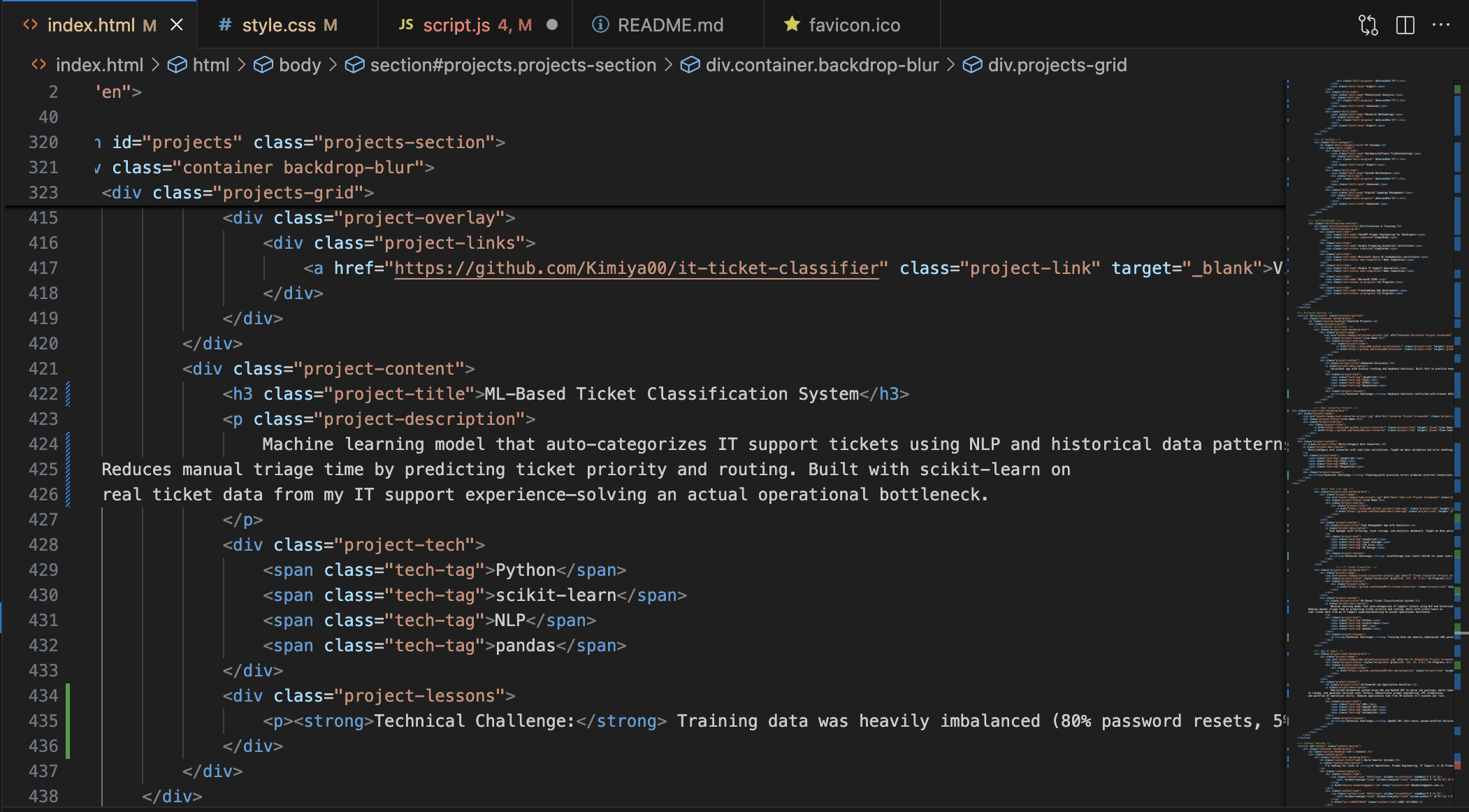
Machine learning model that auto-categorizes IT support tickets using NLP and historical data patterns. Reduces manual triage time by predicting ticket priority and routing. Built with scikit-learn on real ticket data from my IT support experience—solving an actual operational bottleneck.
Technical Challenge: Training data was heavily imbalanced (80% password resets, 5% network issues). Implemented SMOTE resampling and weighted classes to improve minority category accuracy. Learning: Real-world data is 80% of ML work.
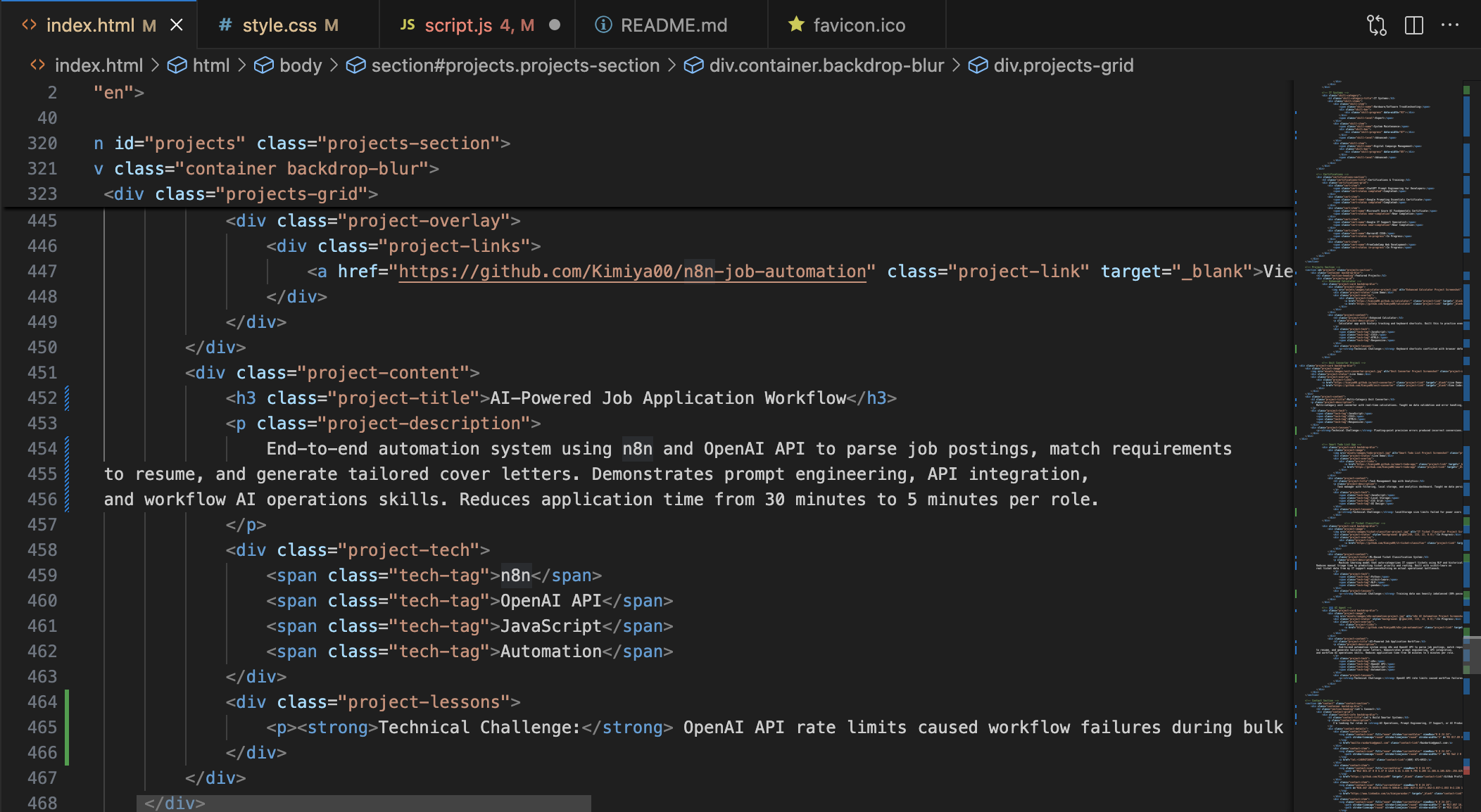
End-to-end automation system using n8n and OpenAI API to parse job postings, match requirements to resume, and generate tailored cover letters. Demonstrates prompt engineering, API integration, and workflow AI operations skills. Reduces application time from 30 minutes to 5 minutes per role.
Technical Challenge: OpenAI API rate limits caused workflow failures during bulk processing. Implemented exponential backoff retry logic and request queuing. Learning: Production AI workflows need robust error handling APIs fail, and you have to plan for it.
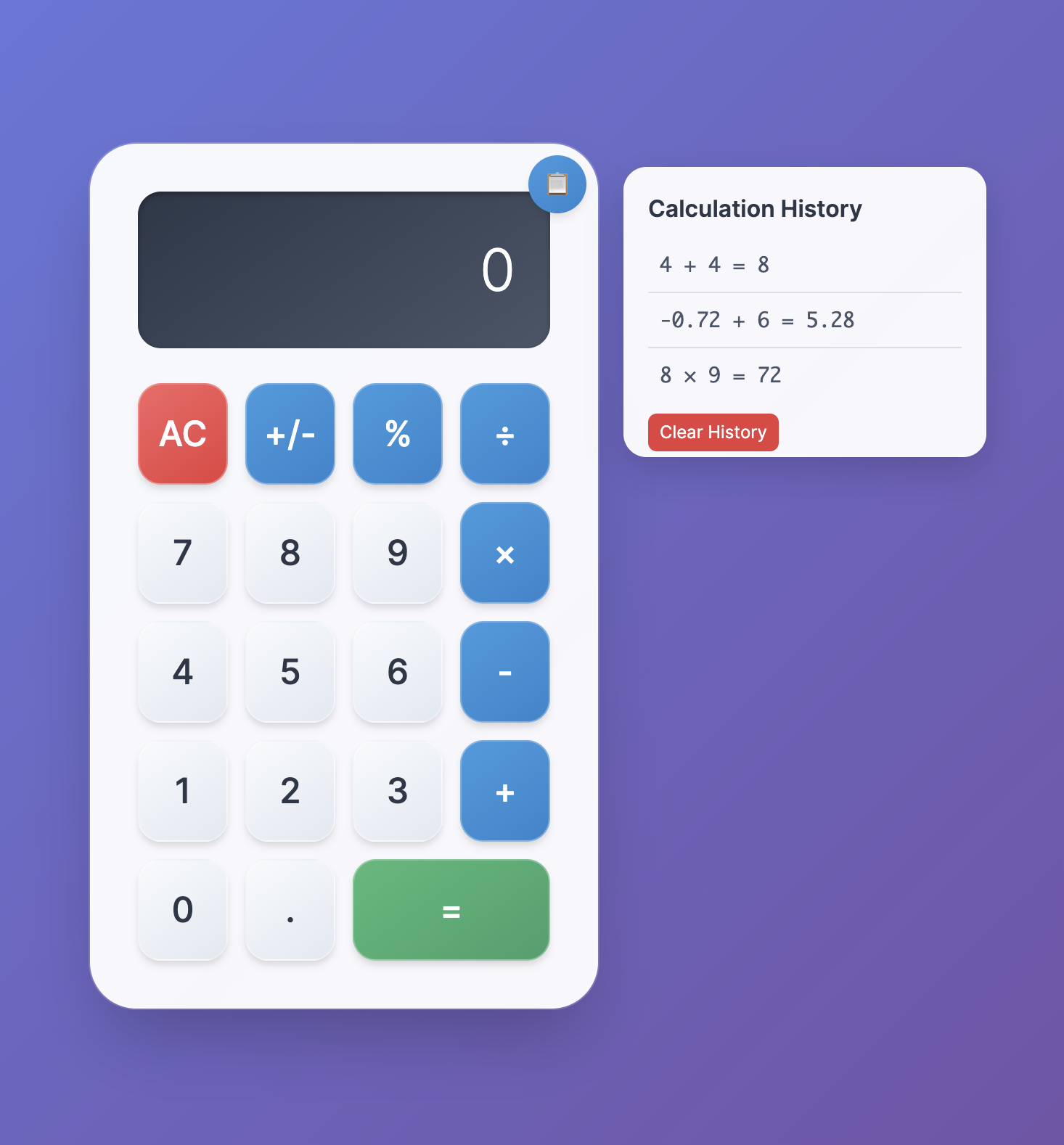
Calculator app with history tracking and keyboard shortcuts. Built this to practice event-driven programming and state management, which I now use when building AI workflow interfaces.
Technical Challenge: Keyboard shortcuts conflicted with browser defaults. Solved with event delegation and input debouncing, same pattern I use for managing rapid AI API calls without overwhelming rate limits.
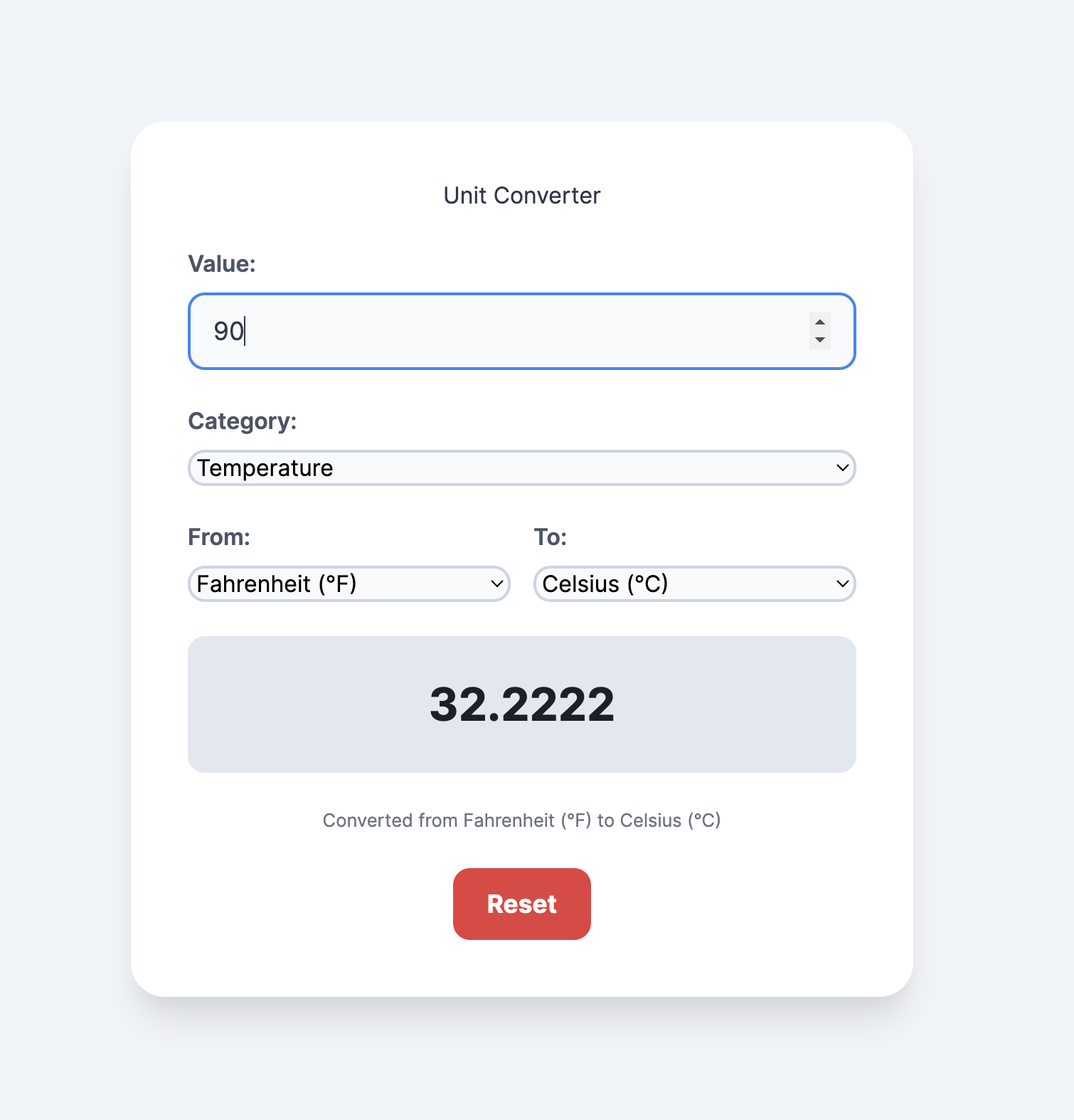
Multi-category unit converter with real-time calculations. Taught me data validation and error handling, which prevents failures when deploying AI tools in production.
Technical Challenge: Floating-point precision errors produced incorrect conversions. Implemented rounding strategies and boundary testing—same approach I use when validating AI output for accuracy before deployment.
Seeking roles in Data Analytics, Applied AI, or Automation where I can build reliable systems, automate workflows, and translate data into business decisions. Experienced with Python, SQL, Power BI, and delivering measurable results through data-driven solutions.